Customer Success Story
Enexus: From Panel Quality Control to Daily Site Tracking
eyerod · · 4 min read
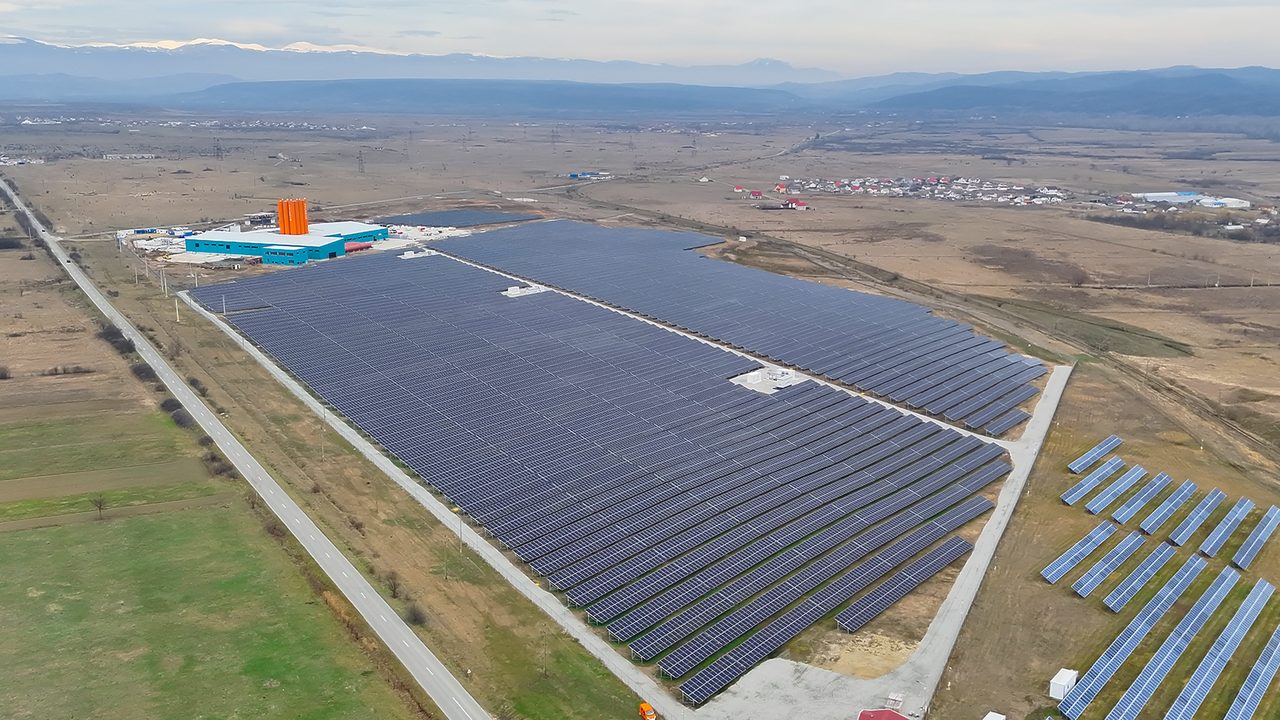
Panel quality control and site tracking stop being a technical routine and become a measurable operational result once they run on the right data. In our work with Enexus Renewable Energy, which develops renewable energy projects in Romania, two things happened: Quality Intelligence identified defective panels with technical evidence and they were replaced by the supplier, and Construction Intelligence turned site progress into a daily record that was made transparent to investors.
Project context
Enexus has been delivering EPC contracts on renewable energy projects in Romania for around five years. eyerod joined after a completed plant was commissioned, and the collaboration has continued on that site and on the projects that followed.
The company uses between 300,000 and 500,000 panels a year. At that volume, module acceptance inspection is solved one of two ways: by building a permanent in-house quality control team, or by moving the inspection to a repeatable service. Enexus chose the second.
“We did not build a team for quality control. Keeping a team like that in-house was not viable for us in cost terms. That is why we decided to use software, and we now run all of these processes through software.”
Mesut Güler, Chairman of the Board, Enexus
The challenge: a defective panel gets expensive once it reaches the site
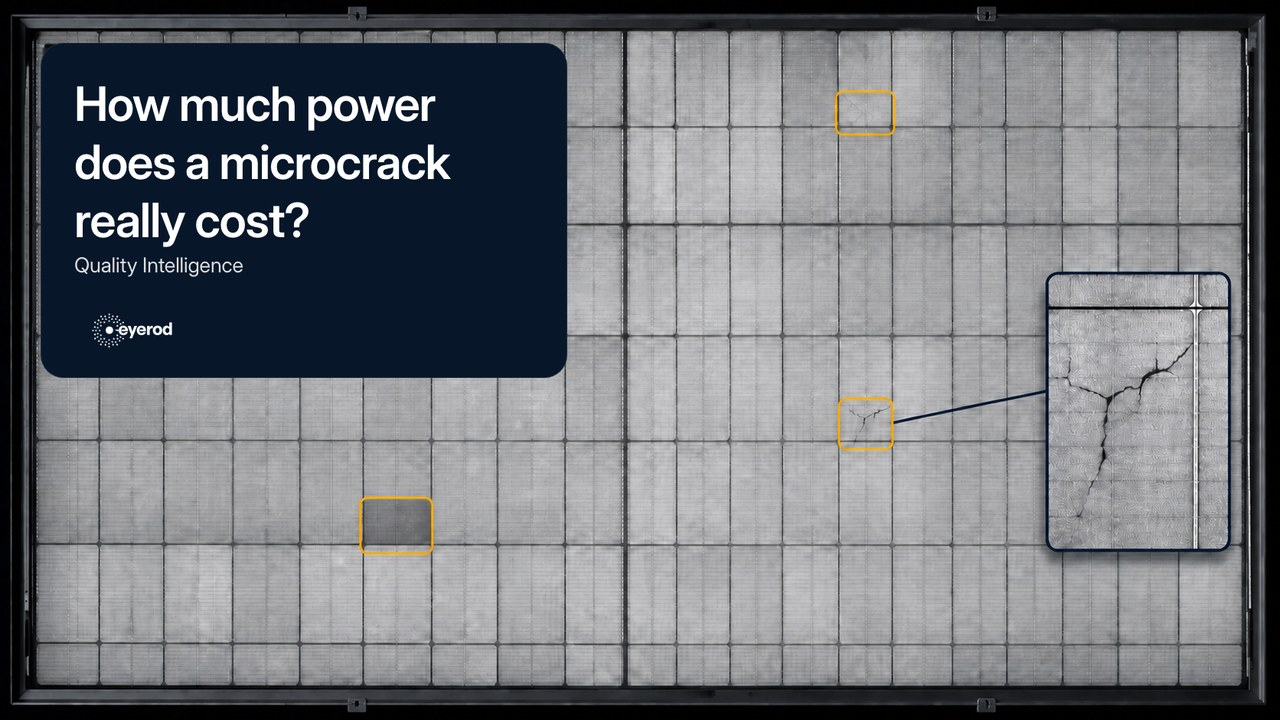
A large share of module defects is invisible to the naked eye. Cell cracks, broken fingers and cell brightness anomalies only surface through EL (electroluminescence) image analysis. Once such a module is already installed, the cost profile changes: removal, labour and site intervention are added to the replacement itself, plus a production dispute that can follow the plant for its whole life.
The second challenge is the claim itself. Telling a supplier “these panels are defective” is not enough; the claim has to record which module, which defect class, and against which criterion. Documenting a warranty claim for the manufacturer is a technical file exercise.
Quality Intelligence: documenting the defect with technical data
The workflow stayed simple. Enexus sent the panel images to the eyerod team, every module was reviewed individually against the same model and the same thresholds, and a report listing the damaged and defective panels came back.
“We sent the images to the eyerod team. Their technical teams reviewed every panel one by one and gave us a report of the damaged and defective panels. We took those reports to our suppliers, and based on the technical data we held, our suppliers replaced the panels in full.”
Mesut Güler, Chairman of the Board, Enexus
What mattered was not the report itself but that it held up in front of the supplier. The replacement was accepted on the basis of technical data, which reduced the discussion from a difference of opinion to a documented defect list.
Inspection does not begin only after delivery either. During supplier contracting, eyerod provides the technical documentation defining which tolerances the modules must be purchased against, and Enexus writes its supply contracts on that basis. The acceptance criterion is therefore defined at purchase, not at the moment of the claim.
The result: a 0.4% panel return rate
According to Mesut Güler, eyerod delivered a panel return rate of four per thousand on the project. That figure carries two consequences:
- Accountability towards the investor. Because defective modules were removed before reaching the site, the EPC can document that it stands behind its work.
- Avoided rework. The returned panels never had to be dismantled and swapped later, so neither the additional labour nor the site intervention cost arose.
“The contribution in CAPEX terms was remarkable for us.”
Mesut Güler, Chairman of the Board, Enexus
Construction Intelligence: daily site tracking and investor transparency
The second track is construction. Enexus runs its daily routine site checks with eyerod’s integrated drone dock system. Because the flights repeat on a schedule, progress tracking becomes a daily record rather than an occasional survey.
That record is not kept only for the EPC’s own control. It is shared transparently with the investor, who can look at the site at any hour of the day without travelling to it and follow progress directly.
“Investors can follow their sites at any hour of the day they want and see how the process is progressing. That is why we saw on our recent projects that it builds more confidence with them.”
Mesut Güler, Chairman of the Board, Enexus
Three takeaways from this collaboration
- The acceptance criterion belongs in the contract. When tolerance documentation is on the table at purchase, the claim does not turn into a negotiation later.
- Claims are made with technical data. A defect report produced module by module against one consistent criterion gives the buyer defensible ground with the supplier.
- Transparency is an output, not extra work. When the daily site record that is already being captured is opened to the investor, confidence is built from existing data rather than a separate effort.
Setting up a similar process on your own project
The two layers in the Enexus example work independently: Quality Intelligence for module acceptance inspection, and Construction Intelligence for construction progress and investor reporting. Tell us which stage your project is at and you can get in touch with the eyerod team to scope the right coverage together.
Frequently asked questions
Why did Enexus not run panel quality control with its own team?
The company uses between 300,000 and 500,000 panels a year. At that volume, keeping a permanent quality control team in-house was not viable on cost grounds, so inspection was moved to a repeatable service that reviews every module against the same criteria.
Was the defect report enough to raise a claim with the supplier?
Yes. Enexus took the reports to its suppliers and the panels were replaced on the basis of technical data. What made the difference was that the claim documented which module and which defect class it referred to.
What does daily drone tracking give the investor?
Scheduled, repeated flights over the site turn progress into a daily record. Shared with the investor, that record lets them see progress at any hour without travelling to site, so the progress report stops being a point of dispute.
How Periodic Thermal Records Support a Solar Maintenance Plan