Solar Plant Acquisition: What Digital Asset and Thermal Records Show
Operations & Maintenanceeyerod · · 3 min read
Acquiring a solar plant, or reviewing one before purchase, is not a check that a single report completes. The technical assessment spans different disciplines: contracts, permits, design, as-built records, production data, warranty documents, site condition, and electrical testing where required.
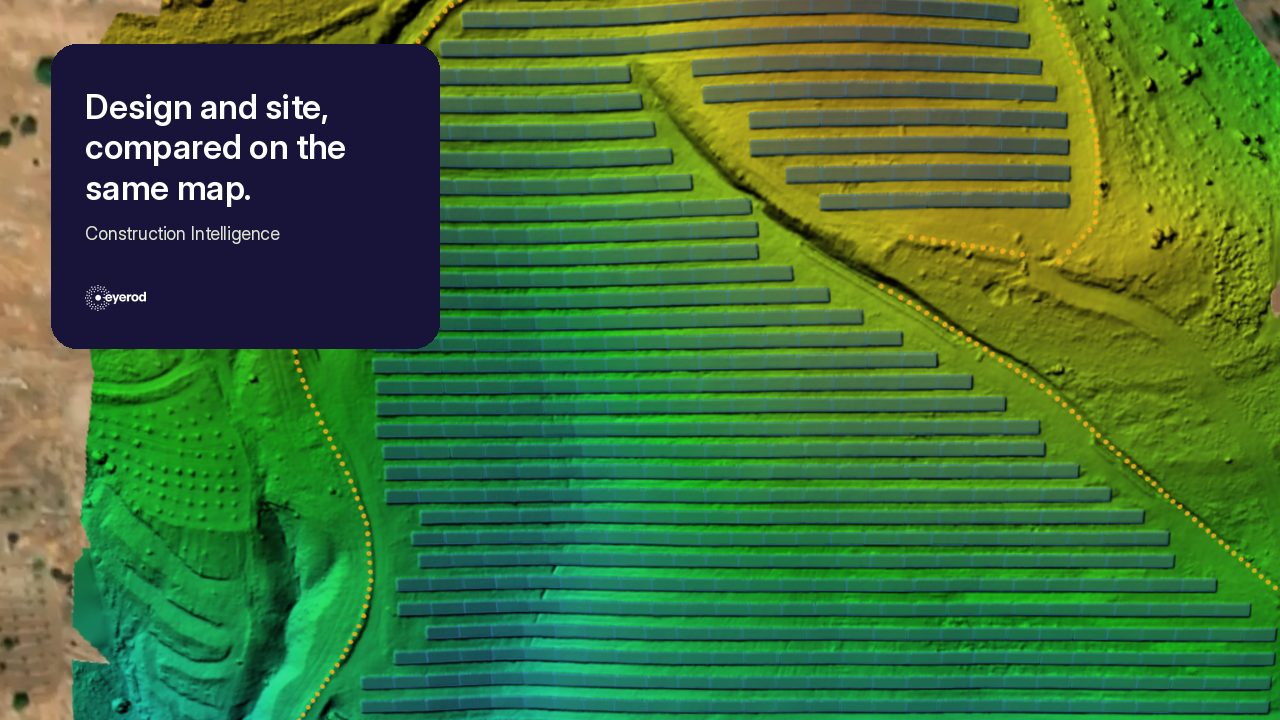
Drone data, thermal imagery and a digital twin do not replace that process. Used well, they form a valuable data layer for seeing the physical assets of the site being acquired more clearly and for preserving its history.
Where does image-based data fit in a technical review?
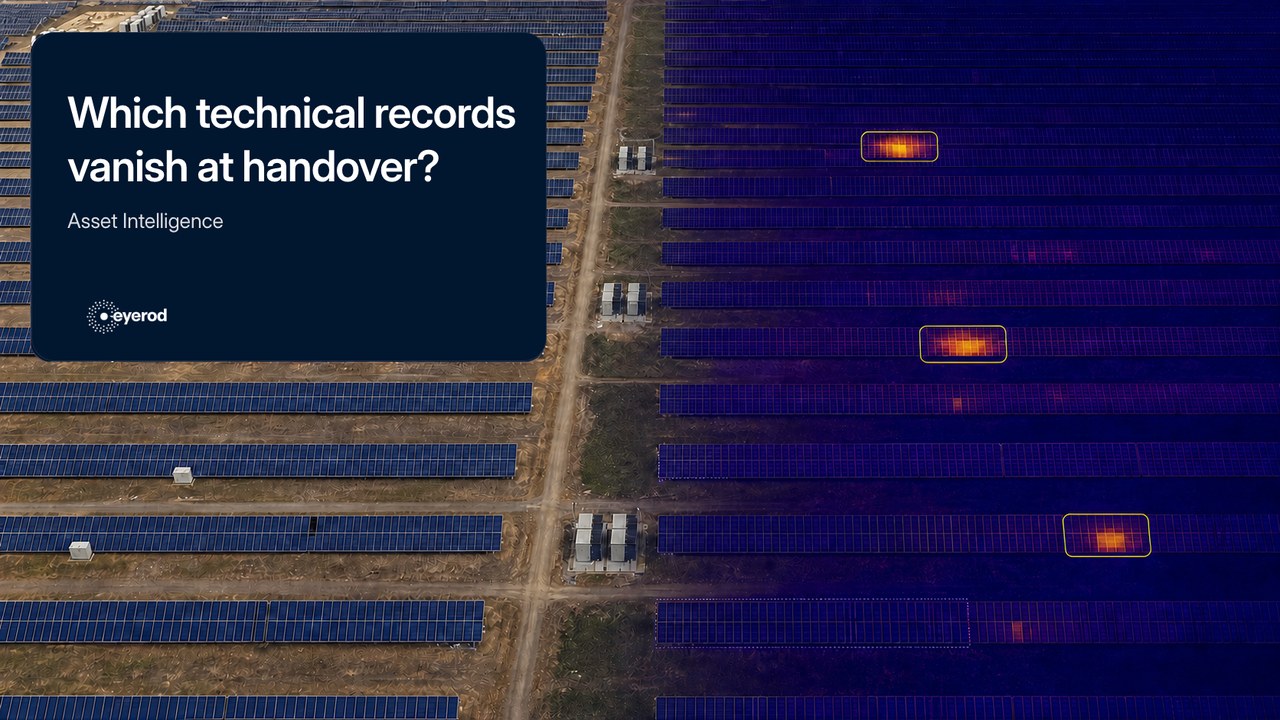
RGB, orthophoto and thermal data make it easier to examine a large site with location attached. Asset layout, access roads, visible physical condition and the areas that warrant thermal attention can all be recorded far more systematically.
A finding in a thermal image is not by itself evidence of a root cause, a power loss or a contractual non-conformity. It can, however, point to the locations that deserve a closer look in an independent engineering review or a site check. The I-V, insulation, flash, legal or financial reviews a deal requires are separate scopes with their own expertise.
Why does the asset record matter at handover?
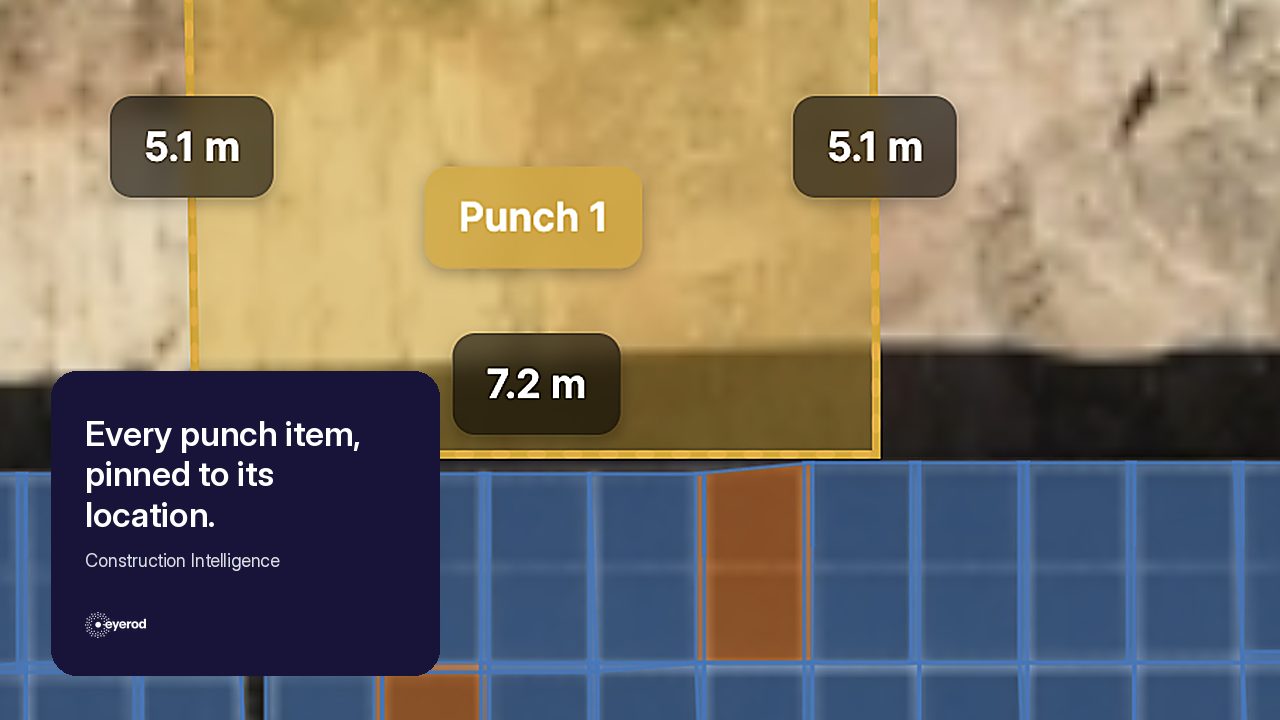
One of the core difficulties teams face after a transfer is continuity of knowledge. When a module’s location, serial number, associated string, prior findings and completed field actions sit in different files and with different people, tracing past decisions becomes hard.
A digital asset record gathers those elements around the same location, so teams can get to these questions faster:
- Has this module or equipment been inspected before?
- Was there a finding at the same point in the previous thermal scan?
- Which documents and field actions are linked to this asset?
- Which data gaps are still open at the time of transfer?
This record does not deliver the verdict of the technical review; it makes the review more traceable.
What are the limits of reading a thermal record?
The meaning of thermal data is inseparable from the conditions it was captured in. Irradiance, wind, cloud cover, operating state, resolution and viewing angle all need to be recorded. Nor does every point with a thermal anomaly call for the same technical action; field verification and suitable supporting evidence matter. For the data-quality side of this, see how drone thermal inspection works.
It helps, then, if the transfer file shows the capture conditions, the location of the finding, its probable class and the recommended next check alongside the thermal image itself.
Where does eyerod add value?
eyerod’s Asset Intelligence and Construction Intelligence approaches focus on associating image-based site data with asset and location records. Thermal analysis findings and asset history in the digital twin help different teams talk through the same site context.
eyerod does not provide full technical due diligence, electrical testing, laboratory testing, legal review or investment advice. That boundary is what keeps the role of the data in the decision honest.
Conclusion
In a solar plant acquisition, the digital asset and thermal record are not the sole evidence behind the purchase decision. What they do is make site condition visible through located data, make gaps easier to identify, and reduce the loss of technical memory after handover. The best outcome comes from using these records together with an independent technical review, the contractual terms and the site tests the deal requires.
Frequently asked questions
Does a thermal report replace technical due diligence?
It does not. An acquisition review spans contracts, permits, design, as-built records, production data, warranty documents, site condition and electrical testing where required. Thermal data forms one layer of that process rather than replacing it.
Which asset details should be kept together at handover?
A module’s location, serial number, associated string, prior findings and completed field actions. When those sit in different files and with different people, tracing past decisions becomes hard; gathered around the same location, continuity of knowledge is preserved.
Is a thermal finding evidence of contractual non-conformity?
Not on its own. A finding can point to the locations that deserve a closer look in an independent engineering review or a site check. The I-V, insulation and flash tests, and the legal and financial reviews a deal requires, are separate scopes with their own expertise.
Solar As-Built: Design-to-Site Comparison with Drone Data